Skip to content

Choosing the Best SAFETY FENCE PANELS to use

Understanding Safety Fence Panels

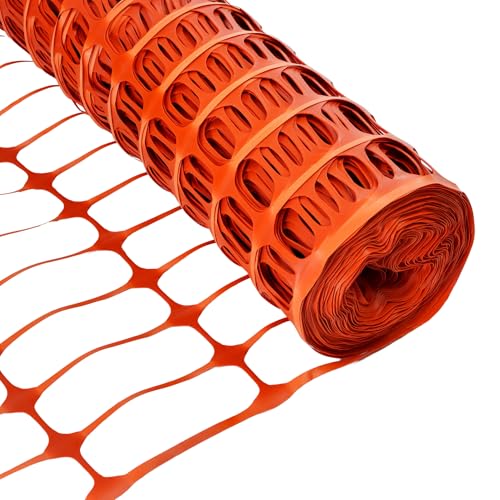
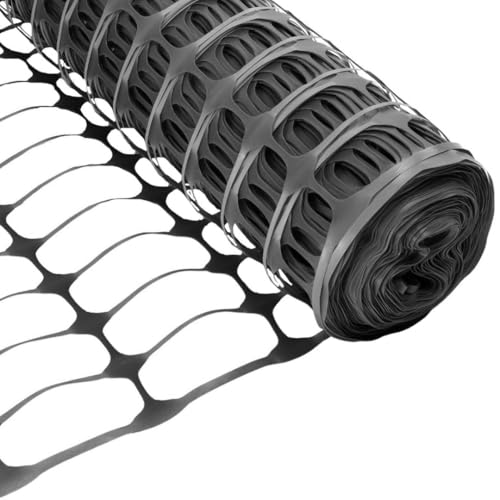
Safety fence panels are essential structures widely utilized across various industries, including construction, events management, and public safety. These panels serve to create a barrier that demarcates boundaries, ensuring that unauthorized individuals are prevented from entering hazardous areas. Their utilization extends to construction sites, where they protect workers and passersby from potential dangers, as well as during large public events to control audience movement and maintain order.

Safety fence panels come in several types, each designed to serve specific needs. Temporary fencing is commonly used in construction and event settings, allowing for quick setup and dismantling. On the other hand, permanent fencing is installed in locations where ongoing safety is required, such as parking lots or around hazardous machinery. Additionally, safety fence panels may be categorized by their height, visibility, and material, which can affect their effectiveness in providing security and safety.

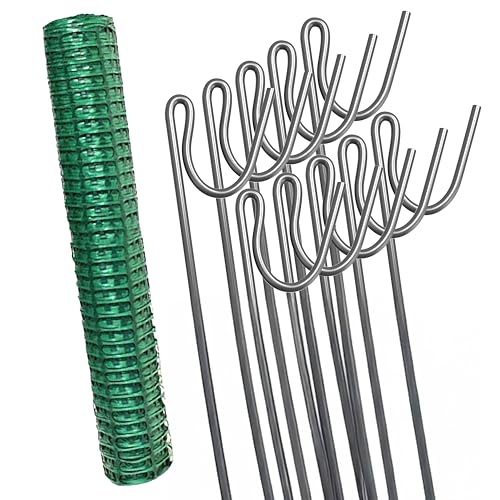
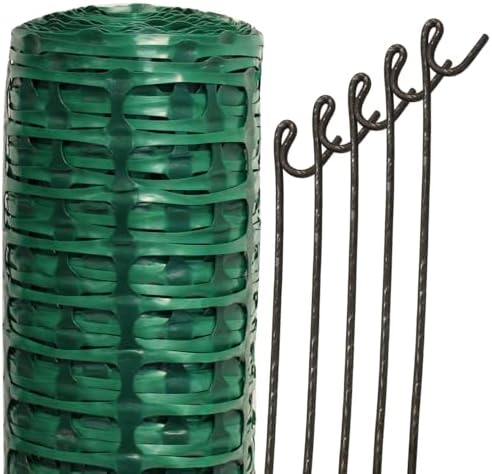
The materials used in the production of safety fence panels vary greatly, impacting their durability and application. Common materials include polyethylene, galvanized steel, and composite materials, each offering different benefits. Polyethylene panels are lightweight and portable, making them ideal for temporary applications. Meanwhile, galvanized steel provides robustness and longevity, suitable for environments that demand high strength and resistance to wear. The choice of material not only influences the panel’s performance but also its compliance with safety standards that govern manufacturing processes.

Adhering to industry standards ensures that safety fence panels meet essential safety requirements. Regulatory bodies often establish criteria for manufacturing, including structural integrity, visibility, and resistance to environmental factors. Understanding these standards is vital for manufacturers and buyers alike, as it guarantees that the panels deployed in the field fulfill their purpose effectively, safeguarding lives and property in diverse contexts.

Criteria for Selecting Manufacturers

When embarking on the search for manufacturers of safety fence panels, several critical criteria must be taken into account to ensure the selection of a reliable and high-quality partner. One of the foremost considerations is the presence of quality certifications. Certifications such as ISO 9001 indicate that the manufacturer adheres to international standards of quality management, thus ensuring that their products are consistently safe and compliant. Manufacturers with relevant certifications are generally more trustworthy and produce reliable products that meet regulatory requirements.

Another vital aspect is the manufacturer’s production capability. It is important to evaluate whether a manufacturer can meet your volume requirements without sacrificing quality. This includes assessing their technological capabilities, machinery, and workforce. A manufacturer equipped with modern technology will likely produce safety fence panels that meet high standards and can adapt to variations in demand.

Experience in the industry is also a key indicator of a manufacturer’s reliability. Companies that have been in the market for several years typically possess a wealth of knowledge about product compliance, market trends, and customer needs. In addition, a broad range of products offered by a manufacturer is beneficial. This allows clients to source different types of safety fence panels from a single supplier, simplifying logistics and fostering a closer working relationship.

Lastly, the after-sales service provided by a manufacturer should not be overlooked. A manufacturer committed to customer satisfaction will offer support post-purchase, including warranty services, replacement parts, and guidance in case of any issues. Additionally, researching a manufacturer’s reputation through customer reviews will offer insight into their reliability and the quality of their products. A comprehensive assessment of these criteria can significantly enhance the decision-making process, ensuring that buyers find the right manufacturer for their safety fence panel needs.

Where to Find Safety Fence Panel Manufacturers

Finding reliable manufacturers of safety fence panels can be a challenging task, but various platforms and resources can facilitate this process. One of the most effective ways to locate potential manufacturers is through industry trade shows. These events gather numerous suppliers and manufacturers under one roof, allowing you to interact directly, evaluate their products, and establish valuable contacts. Attending such exhibitions offers a unique opportunity to inquire about manufacturing capabilities, customization options, and pricing.

In addition to trade shows, online directories serve as essential tools for connecting with manufacturers in the safety fence sector. Websites such as ThomasNet, Alibaba, and Global Sources provide extensive listings of manufacturers, including detailed company profiles, product offerings, and reviews. Utilizing these resources can help you compare multiple manufacturers based on their specialties, certifications, and geographical locations, which is crucial for efficient procurement.

Industry-specific websites also play a vital role in identifying safety fence panel manufacturers. Platforms dedicated to construction, safety, and industrial supplies often feature manufacturer listings along with catalogs and testimonials. Furthermore, many of these websites offer forums for professionals to share their experiences and recommendations, which can be invaluable for sourcing reliable manufacturers.

Networking within the industry is another effective strategy for locating manufacturers. Joining industry associations, attending webinars, or participating in discussions on forums can provide insights and recommendations from fellow professionals. Engaging with peers who have experience in sourcing safety fence panels can lead you to reputable manufacturers and help you avoid potential pitfalls.

By leveraging trade shows, online directories, industry-specific websites, and professional networks, you can successfully identify and connect with manufacturers of safety fence panels aligned with your needs.

Evaluating Manufacturer Proposals and Making a Decision

Once you have shortlisted potential manufacturers of safety fence panels, the subsequent step is to evaluate their proposals meticulously. This process entails comparing the quotations provided, assessing delivery timelines, and grasping the warranty terms associated with the safety fence panels. By doing so, you can ensure that you are selecting a manufacturer that not only meets your budgetary constraints but also aligns with your project schedule and quality expectations.

When comparing quotations, consider various factors beyond just the bottom line. Analyze the specifications of the safety fence panels offered, as variations might exist in materials, design, and compliance with industry standards. Furthermore, look for any additional costs that might be included, such as shipping or installation charges, which could impact the overall pricing. It is crucial to understand the entire value proposition instead of simply focusing on price, as quality can significantly affect your project’s outcome.

Delivery timelines also play a pivotal role in decision-making. Assess whether the proposed timelines align with your project milestones. Consider asking manufacturers about their capacity to meet deadlines, and inquire about any potential delays that could arise. Timely delivery is crucial in order to maintain project momentum and avoid unnecessary costs associated with delays.

Another vital aspect to evaluate is the warranty terms provided. A comprehensive warranty can reflect the manufacturer’s confidence in their products. Ensure you understand the specific coverage, including what is and isn’t included, as well as the duration. This allows you to gauge long-term reliability and the support you can expect should issues arise.

Finally, fostering effective communication with manufacturers is necessary for addressing any uncertainties. Initiate conversations to clarify any doubts and to gain deeper insights about their proposals. By doing this, you position yourself to make an informed decision based on a manufacturer that best fits your project’s needs and expectations.